

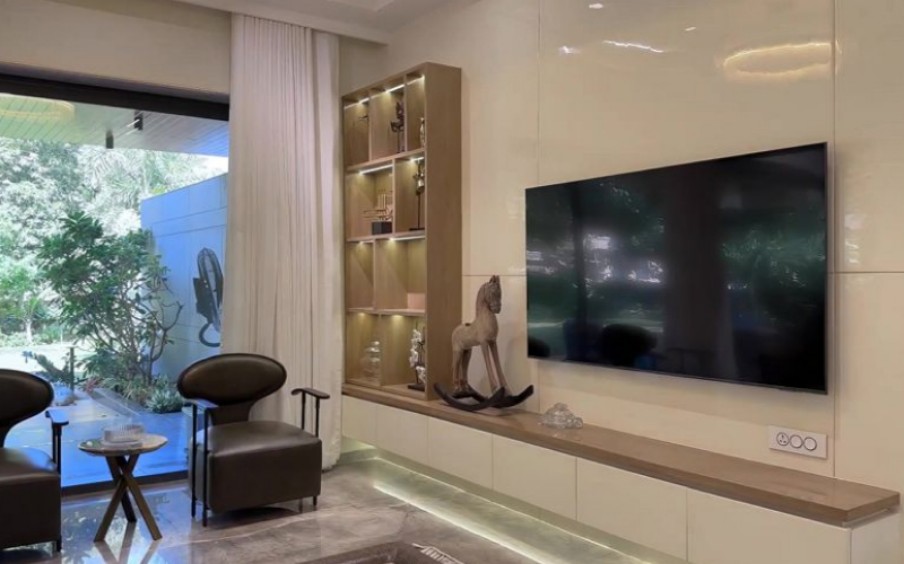
Home viewing no longer sticks to one time of day. Morning news, afternoon sports highlights, evening films, and late-night series all appear on the same screen. Lighting conditions shift, curtains open and close, and expectations change with the hour. Screen technology plays a steady role in keeping viewing comfortable as those conditions move from bright to dim.
Bright Rooms and Daytime Viewing
Natural light introduces reflections and contrast challenges. Sunlight from nearby windows can wash out details, especially on screens with limited brightness control. By adjusting each pixel individually, an OLED TV allows darker areas to stay defined even when overall brightness rises.
For larger rooms, size adds another layer. Brightness feels more evenly distributed across the display on a 65-inch TV, making images easier to follow during daytime viewing. Text remains legible, colours stay consistent, and the screen holds its presence without forcing viewers to squint or draw the curtains fully shut.
Managing Reflections and Glare
Glare plays a bigger role than raw brightness. Shiny panels reflect lamps, windows, and overhead lights, pulling attention away from the picture. Screen coatings used on modern displays aim to reduce these distractions by diffusing reflections rather than bouncing them straight back.
Reflection control becomes more noticeable on a 65-inch TV simply because there is more surface area involved. Diffused glare feels less intrusive across a wide screen, allowing eyes to stay focused on the content instead of chasing stray reflections across corners.
Transitioning Into Evening Viewing
As daylight fades, screen behaviour needs to shift smoothly. Sudden drops in brightness can feel jarring, while overly bright images appear harsh against darkened surroundings. Gradual brightness adjustments on an OLED TV help retain contrast without flooding the room with light.
Evening content such as dramas and films relies on shadow detail. Controlled pixel lighting keeps darker scenes readable while avoiding the grey haze sometimes seen on backlit screens. Viewing remains comfortable without needing constant manual adjustment.
Late-Night Comfort and Eye Fatigue
Late-night viewing places different demands on the eyes. Harsh white tones and inconsistent brightness can lead to strain during longer sessions. Many displays include settings that limit excessive brightness during dim conditions, keeping highlights in check.
Screen size still matters here. Balanced brightness on a 65-inch TV prevents light from overpowering the room. The image fills the field of view gently rather than glaring from a concentrated point, supporting more relaxed viewing before bedtime.
Colour Control Across Lighting Conditions
Colour accuracy shifts under different lighting. Daytime viewing benefits from stable colour levels that remain visible without oversaturation. Night viewing calls for restraint, allowing tones to stay natural without appearing dull.
Consistent colour behaviour across lighting changes comes from the way an OLED TV controls light at the pixel level. Reds, blues, and neutral tones adapt smoothly, keeping scenes believable whether viewed at noon or after midnight.
Practical Use in Everyday Homes
Most homes rely on mixed lighting rather than dedicated cinema setups. Lamps, ceiling lights, and occasional sunlight combine throughout the day. Displays need to perform well without demanding constant setting changes, even when TV accessories such as wall mounts or light-filtering panels are part of the setup.
A 65-inch TV placed in a shared living space benefits from predictable performance. Family members can switch content without adjusting brightness menus repeatedly. The screen adapts quietly, letting programmes take priority rather than setup tweaks.
Technology Developments That Support Viewing Balance
Display technology continues to refine brightness handling and energy efficiency. Improvements focus on stability, control, and consistency rather than visual spectacle. These changes allow screens to respond more accurately to ambient light conditions.
An OLED TV reflects this direction by balancing brightness output with precise control. Rather than pushing light broadly, it applies illumination where required, helping maintain comfort across varied viewing times.
Choosing a Screen That Fits Daily Habits
Viewing habits shape satisfaction over time. Screens that perform well in both bright rooms and dark environments reduce friction during everyday use. Size, placement, and lighting all interact to influence comfort.
A 65-inch TV paired with appropriate room placement offers flexibility across viewing schedules. Content remains clear in daylight and controlled at night, supporting consistent use without compromise.
A Measured Approach to Home Viewing
Comfortable viewing relies on steady performance rather than dramatic shifts. Bright rooms and dark evenings demand different responses from a display, and smooth adaptation keeps attention on the content itself. Contact Harvey Norman to view display options suited to varied lighting conditions, helping everyday viewing remain clear, comfortable, and easy to enjoy.